In the olden days of

In the olden days of journalism, edits were often scrawled in pencil over hand typed stories and sent to the type setter. To differentiate between what was to be included in the story and side notes, editorial instructions were intentionally misspelled; “lead” became “lede”, “head” became “hed”, “paragraph” became “graf”. For text that needed to be changed or fact-checked, “to come” became “to kome”, and then “tk”. Now “tk” is used everywhere in journalism to note that something needs to be added or fixed. More journalism jargon.
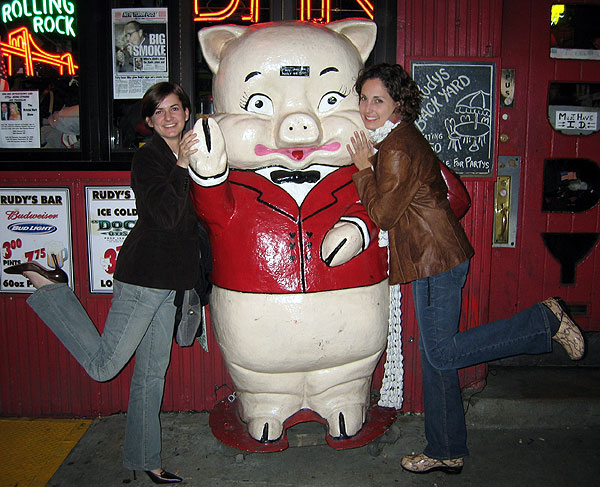
(TK: Write something funny about this picture, girls, and pigs.)

SOTD: What is more annoying than improper grammar? Old British people bitching about it.

In the olden days of journalism, edits were often scrawled in pencil over hand typed stories and sent to the type setter. To differentiate between what was to be included in the story and side notes, editorial instructions were intentionally misspelled; “lead” became “lede”, “head” became “hed”, “paragraph” became “graf”. For text that needed to be changed or fact-checked, “to come” became “to kome”, and then “tk”. Now “tk” is used everywhere in journalism to note that something needs to be added or fixed. More journalism jargon.

(TK: Write something funny about this picture, girls, and pigs.)

SOTD: What is more annoying than improper grammar? Old British people bitching about it.